
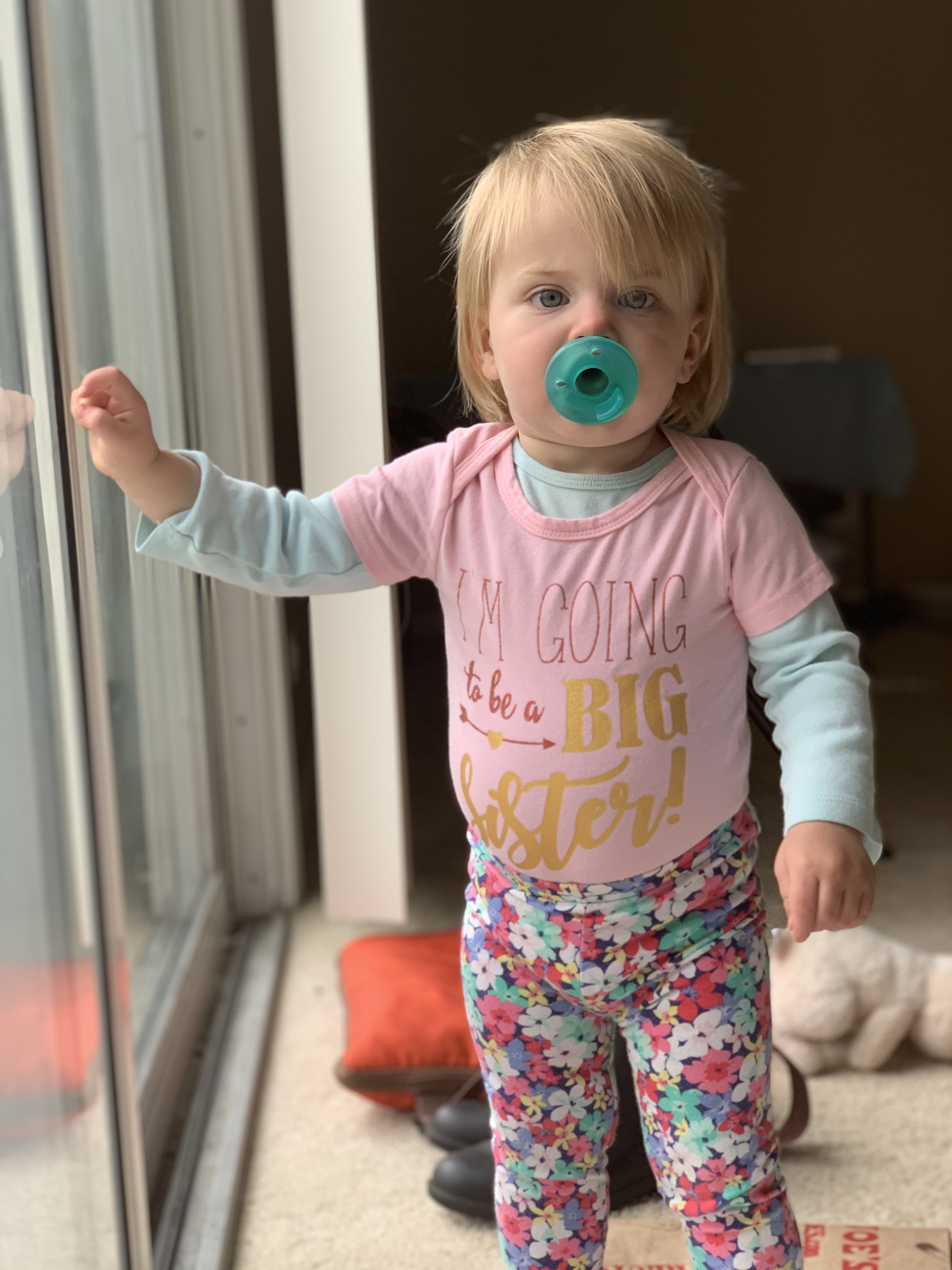
This post was written at the end of 2020 but I could not find the right time for myself to post it. So I am publishing it now, a little late, but still all true.
At the end of July I had what is called a chemical pregnancy. Had I not been trying to get pregnant and peed on a stick, I would not have known I was even pregnant since this type of failed pregnancy presents itself as a late period. I was one week late – about 4 weeks pregnant – and many women who don’t track their cycles wouldn’t even notice this tardiness. Some of the data indicates that 30-50% of women have a chemical pregnancy (again, it is possible to not even know you had one!) and 50-75% of failed pregnancies are chemical.
And as many as 15% of known pregnancies fail.
Basically, if you know 7 women, it’s not unlikely that at least one of them has had a failed pregnancy. Do you know 7 women? My guess is probably you know a lot more than 7. It’s much more common than we realize. So why haven’t you heard more stories from one out of 7 of your friends? Lots of reasons, many of which are not personal, but systemic:
“…society… sees women’s bodies as shameful and that blames them, even criminalizes them, for pregnancies gone wrong. Policies that punish women for getting pregnant at all. Widespread ignorance about human reproduction. A health care industry that too often fails women, especially women of color. And a general unwillingness to grapple with complex emotions” – Lauren Kelley and Alexandra March of the New York Times (read the full interactive article here.)
You may have noticed that I am using the term ‘failed pregnancy’ instead of the more commonly heard term ‘miscarriage’. I personally am not particularly sensitive or triggered by this word, but I wanted raise awareness to arguments that the word “miscarriage” places blame on the woman for “incorrectly” (mis) carrying, when we all* know failed pregnancies are no one’s fault – they are merely the body’s natural way of removing non-viable cells with chromosomal abnormalities.
*Hopefully we are all literate when it comes to sexual reproduction.
When I peed on that stick in July, I was 3 weeks pregnant. An ultrasound would capture nothing at that point. My daughter was almost 9 months old, and while health care professionals – including my doctor – recommend 12-18 months between pregnancies, I felt that my body was back to it’s pre-baby health. Physically I felt ready, but when the test came up positive, I cried. I cried because I didn’t want Kalliszta to think we were trying to replace her, or like we were trying to upgrade to Kalliszta 2.0. Later that day I realized that because we love her so much, we want a duplicate, a clone of her, and that’s how I would explain it to her. And she would make an amazing big sister and that I want her to have a built-in forever friend. A week later when I started bleeding, I was confused because that didn’t happen the first time around when I was pregnant with Kalliszta. I googled a bit, and saw that spotting may be normal. But this wasn’t spotting, this was similar to a period blood flow. I messaged my doctor and we talked later that day or the next. She diagnosed what happened as a chemical pregnancy and ordered a blood test. While I didn’t know what it was called before I talked to her, I knew that I was no longer pregnant. My body didn’t feel pregnant anymore. It isn’t really a feeling I can describe. I don’t remember if I cried or not, and I don’t remember if I felt any relief. I did have a weird feeling like I had jinxed myself when I went online to cancel my 8 week appointment that I had made a day after the pee test – I should have waited longer to make that appointment. I stopped bleeding after two days and did not feel too much discomfort. It was basically a normal, yet shorter, period.
We went about our lives, weighed our risk factors, and decided to go to New York and Chicago to visit Kalliszta’s grandparents, aunts and uncle, and cousins at the end of the summer. We had the most wonderful time together with our families! I brought up what had happened, mostly in passing because I didn’t want to make a big deal out of it.

Then, at the end of October, I had another failed pregnancy, this time at 6 weeks. Taking a lesson from the last time I was pregnant, I waited to pee on a stick until I was two weeks late for my period, at about 5 weeks. This time, there was a lot more bleeding. I remember it was a Sunday because Bill wasn’t working and was able to take care of Kalliszta while I laid down most of the day. In the morning, I had passed a blood clot that was the size of a golf ball and I knew I was no longer pregnant. I had very mild labor pains aka heightened period pains which for me presents as extreme lower back pain and some abdominal pain while I had heavy bleeding. This lasted for two whole days, but I bled for about two whole weeks. This time, I cried a little on and off for those two days. It’s a sad reality about our society that I actually felt lucky: that I wasn’t one of the many women who had to experience a pregnancy loss while at work, in a meeting about needing fewer meetings, or at a job requiring physical labor, silently suffering.
My doctor ordered a blood test to check hcg levels, my thyroid levels, as well as a bunch of other stuff. Thyroid and all the other stuff looked good, but my hcg levels were in the nebulous range – not pregnant and also not not pregnant. Over the course of 3 weeks, she had me repeat the blood draw for hcg levels multiple times, as the numbers were only very slowly dropping. Each time, my insurance billed me about $350. So not only did I have to endure the physical and emotional pain of a failed pregnancy, I also felt the financial pain, as it cost me almost two grand to have a miscarriage. Seriously, WTF? I told my doctor about this terrible insurance issue, and she said I can take an at-home pee stick pregnancy test and if it comes up negative, I won’t have to go back in for labs. Luckily(?), 3 weeks after the blood clot, the pee stick came back negative. The bleeding stopped, my body is back to it’s normal cycle, and I didn’t have to have a D & C (dilation and curettage) – a safe and common procedure that clears the uterine lining by removing tissues remaining in the uterus from the failed pregnancy that would prevent a future healthy pregnancy. This is a common procedure for post-menopause bleeding as well.
Over the past many months, I’ve had friends deliver healthy, happy babies as well as announce the happy news of upcoming births. And of course I am so happy for them because I know just how much love and joy and happiness a baby brings (in addition to terrible sleep and bodily pains), but it also makes me sad for myself. But then I think that I’m not allowed to feel sad because I already have a beautiful baby who I love more than my life itself and so my sadness cannot be as deep and true as women and families without children who have experienced similar losses, right? But everyone’s story is uniquely their own, and we all feel physical and emotional pain differently and I am allowed to feel however I feel about it. It is possible to be completely in love with your firstborn while longing for their future sibling.
My doctor assured me that this does not mean I won’t have a successful pregnancy again in the future. She doesn’t really consider the chemical pregnancy when she counts how many failed pregnancies I’ve had (in that case: 1). After all, my first pregnancy was healthy and happened quickly. At this moment in time, there doesn’t seem to be a reason why that can’t happen again. And though I wish I could end this post with a surprise plot twist announcement, I can’t. But I am hopeful for what the rest of 2021 can bring! In the meantime, go get your vaccines and keep wearing your masks!
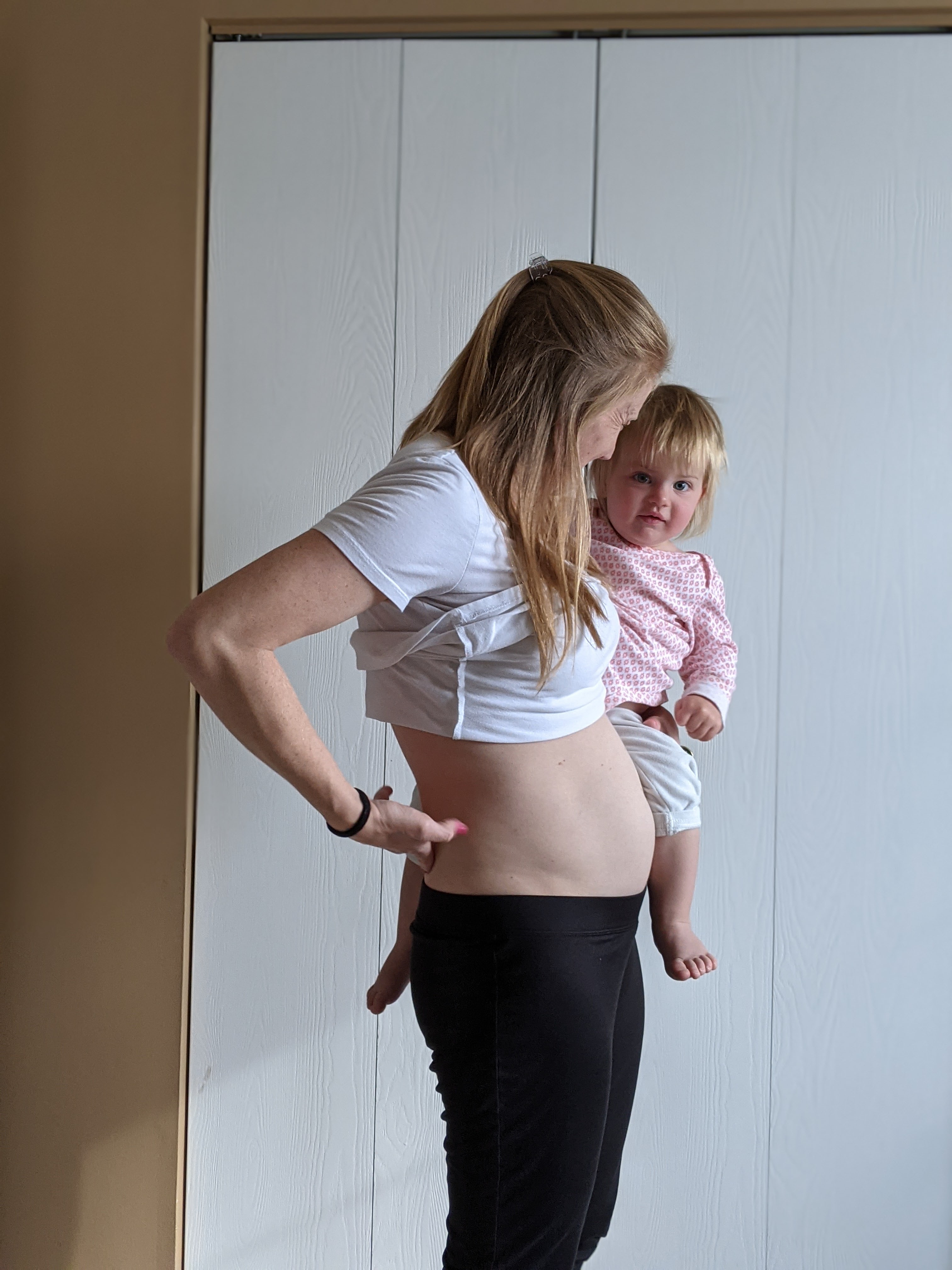
Well, I guess there really is a surprise plot twist coming in October of this year! The Fall is still far away and lots can still go wrong between now and then, but at this current moment at the end of April, Zelda* is gestating swimmingly.
*Our in-utero working title, keeping in theme of a “Z” name that sounds like a superhero.

 Krisztina Finn
LOVE is INFINITE.
LikeLike
This is such a thoughtful and well researched post! I went through multiple failed pregnancies and can appreciate this roller coaster deep in my heart. Sending you love, light and hugs from Brooklyn ❤
LikeLiked by 1 person