4-Letter Words
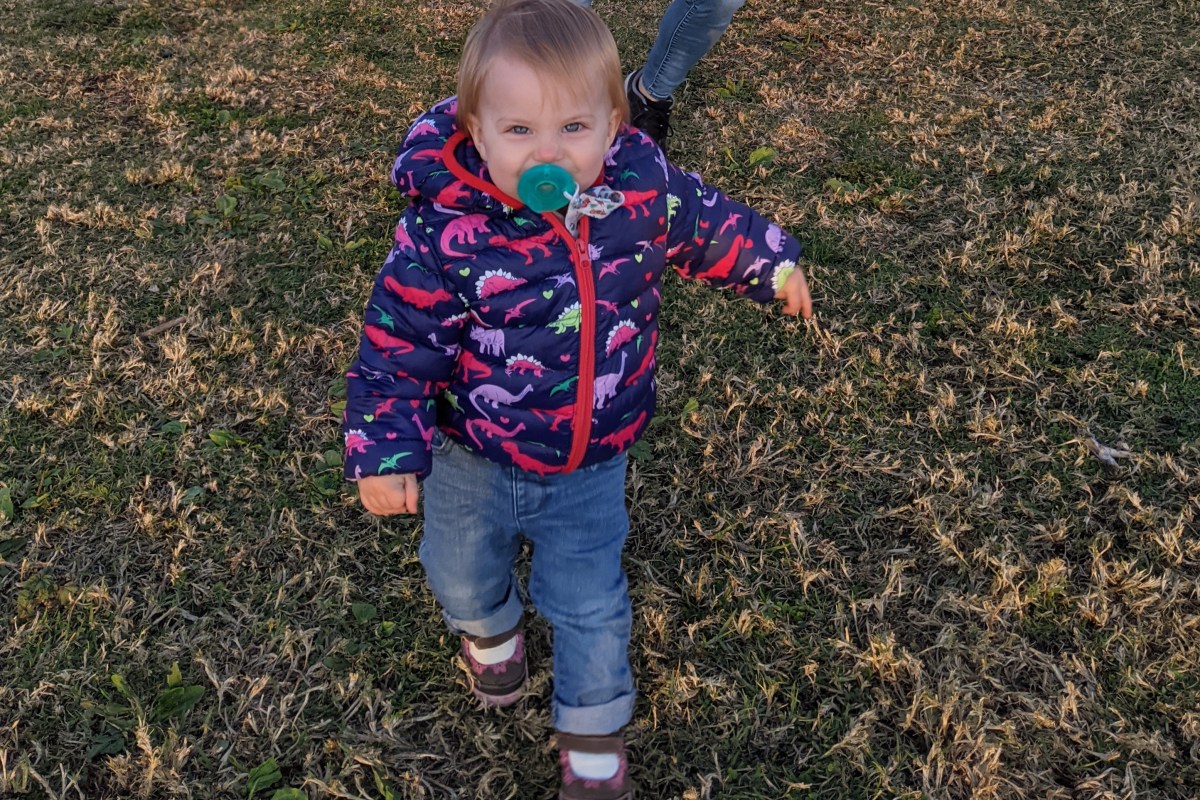
On Monday as I went to throw out a diaper in the Diaper Genie that we now keep out on the balcony because it has started to be extra smelly (most likely due to user error), I banged my forearm into the door handle so hard I dropped a very loud f-bomb from the immediate pain that people 6 floors down on the street heard me. And so did Kalliszta.
That was definitely not the first time I swore in front of Kalliszta, and it won’t be the last – even though I don’t think I cuss all that much compared to a few. And, while it is possible that I change my tune once she actually starts talking, I won’t mind if she knows and says “bad” words. While we don’t want her to direct curses at someone, like calling a friend a butthead or something, I absolutely want her to tell the creepy man to fuck off. I personally don’t think curse words are bad, and I do not want to curb her self-expression. And this article by a cognitive scientist (who plays frisbee so you know he’s a cool dude and was featured in the Netflix docu-series hosted by Nicholas Cage called The History of Swear Words so you know he’s a doubly cool dude) says it’s ok to curse in front of your kids. I want her to know that while I don’t mind that she says four letter words, there are other words that cause real harm. I hope I will do justice in explaining the history and hurt behind these words so that she never, in any context, uses slurs and words that are racist, sexist, misogynistic, homophobic, derogatory, and demeaning in any way. Basically, any word that is used or has been used as a weapon against a person’s or peoples’ identity is off limits not just to her, but to her parents too. Even if the word has been reclaimed by the group it once oppressed, only if she identifies as such can she use it.
There are other words that society has deemed as “taboo” and kids pick up on this because of how we act and react when we say and hear them. I absolutely want her comfortable saying words like tampon and vagina and poop. The way to make that happen is for parents (and all grownups in her life) to use the correct words and use them in normal conversation with no negative association. At 14 months, she knows many body parts and can point to them on herself and on mommy and daddy. She loves looking for her belly button and her parents’. She will find Bill’s belly button, and when he’s chilling without a shirt on, she will point to his nipples. And we say, “yes, those are Daddy’s nipples, look we all have them, how cool!” She will tap on my chest and I tell her “yes, those are Mommy’s breasts, good job! When you were a baby, you would drink the milk that came from Mommy’s breasts, isn’t that amazing!” I am glad that Bill and I are of the same mindset to normalize our bodies and use anatomically correct words. Oh wait, is navel the correct word for belly button?
Words for Everyone
I’ve made it a goal of mine many years ago to eliminate the word “guys” from my vocabulary when speaking to a group of people. It is our general go-to when we want to mean “everyone”, but it is not gender inclusive. It was a long weaning off process and quite difficult because I have been saying “you guys” all my life, as has most everyone who didn’t grow up in Texas. (There’s a lot wrong with Texas, but they got that “y’all” thing right.) Even when it was a group of only womxn (I use this spelling to be inclusive of trans and nonbinary women, and to avoid the percieved sexism of containing the word “men”. It is pronounced the same way as women, and is both singular and plural.), I would still say “guys”. That’s how ingrained it was! It was so hard at first, and I would correct myself out loud, holding myself accountable, like “Hey, you guys let’s go… I mean, hey, you all, let’s go”. I have played on, captained, and coached lots of athletic teams, teams of mixed genders and teams of only female identifying players. In both scenarios when womxn are present, it’s never ok to address the players as “guys”, but I have. An easy work around was to refer to the group by the team name. Or just simply “team”. After years of trying to not use “guys” when not appropriate (not appropriate unless you are speaking to 2 or more people whose gender pronouns of he/him/his you are certain of because they themselves told you), I started gently calling other people on it. This is tricky because while no one likes to be called out, I do think people in general don’t want to offend. I would either repeat what the person said replacing “guys” with a more inclusive word, (Speaker: “Ok guys, let’s get started” Me: “Yeah! Everyone, let’s get started.”) or, if I knew the speaker a little better, would jovially say something like, “Well hey now there are women in this group too!” I mostly used these at work, back when I was at work. When it came to ultimate frisbee, I was much freer in how I corrected people because we all kind of know each other, and I feel I have enough clout and seniority in the community to speak up on the spot. For those of you who also want to move away from saying “guys” when it isn’t appropriate, here is a non-comprehensive list of words that don’t assume gender you can say instead:
- All
- Everyone
- Folks
- Pals
- Friends
- Team
- [Actual Team Name]
- [Job Title]: Engineers, Designers, etc.
- Kids (if it is a group of children)
- For those of you who are public speakers, try to avoid “ladies and gentlemen” and use “esteemed guests” instead.
Other words I am replacing – like when I am at the playground – because I never want to assume someone’s gender identity, or family make-up, or their family relationships:
- Instead of “mom” or “dad” or “parent”, use “grown-up”, and sometimes “your grown-up”
- Instead of “mom and dad”, use “grown-ups”, sometimes “your grown-ups”
- Instead of “girl” or “boy”, use “kid”, “friend”, “baby”, “big kid”
- Instead of “boys and girls”, use “kids”, “friends”, “adventurers”, “explorers”, “everyone”
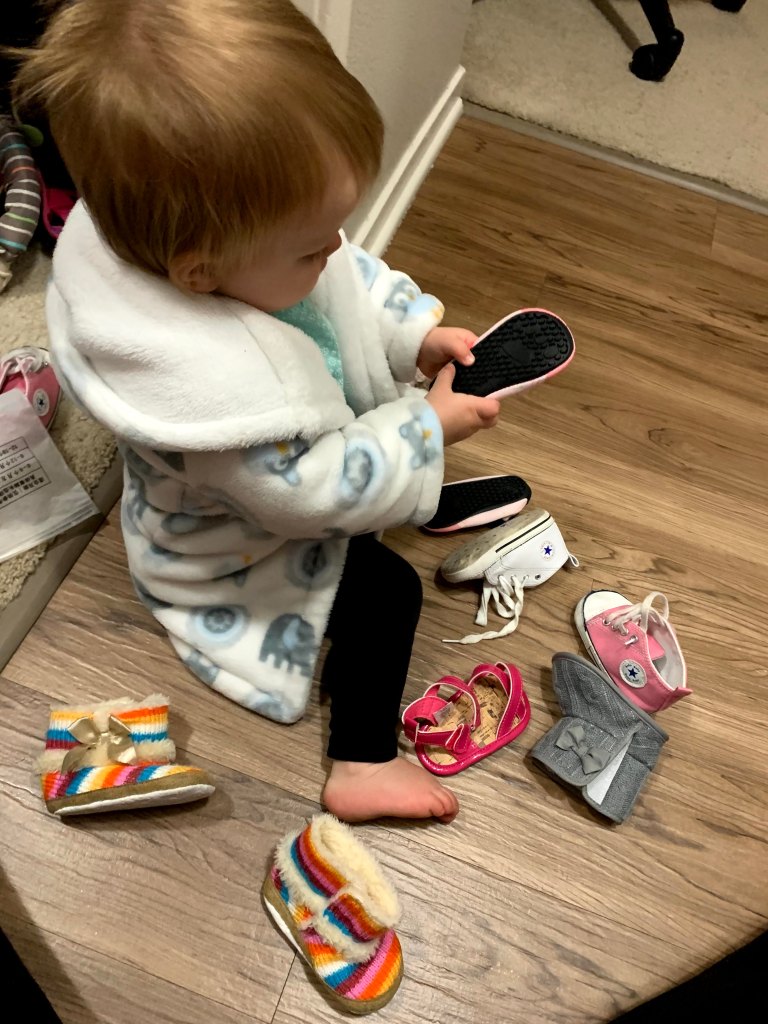
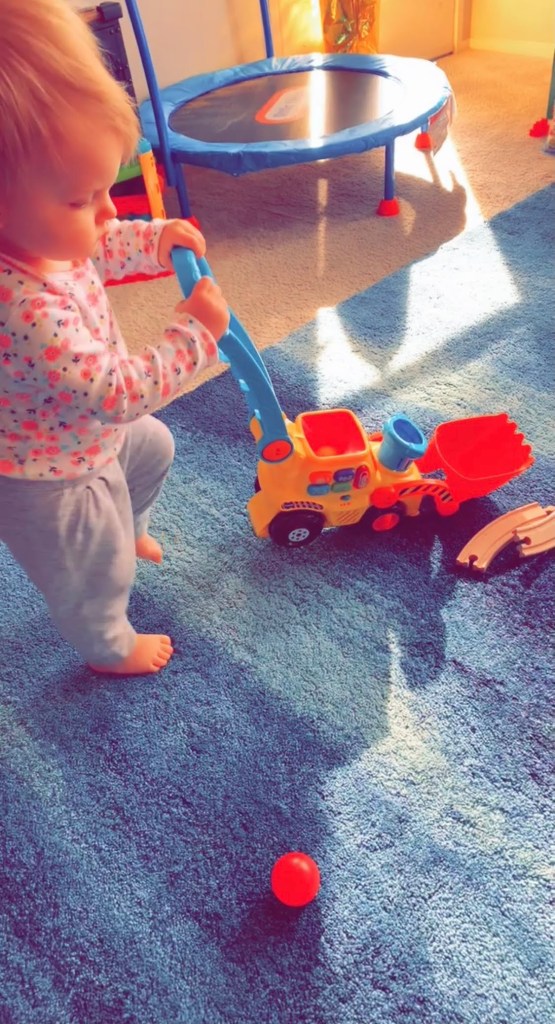
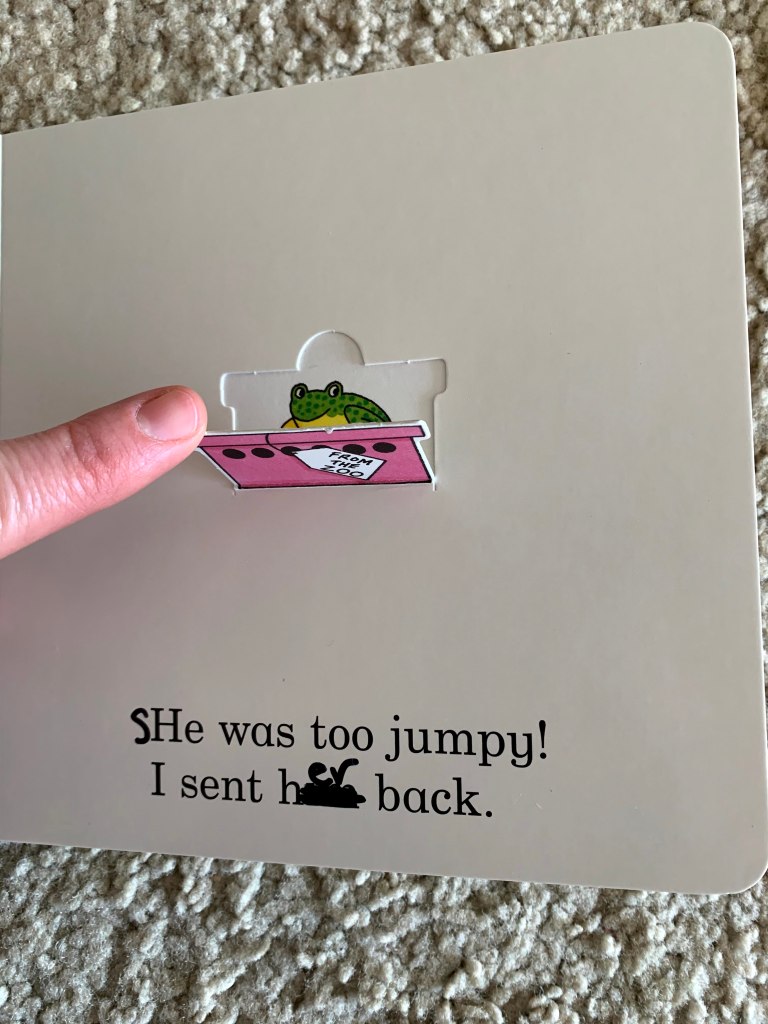
I am not an expert and sometimes I slip up, but I am making a conscious effort. Because I don’t know how Kalliszta will identify, for now I use she/her/hers pronouns, and I recognize it is hypocritical of me to assume her identity as the one that matches her sex assigned at birth. I’m striving to be inclusive in my language, not just my actions, and for the things Kalliszta hears, reads, and consumes to be inclusive. Before she and I enjoy a new picture book together, I read through it and take a sharpie to it when gender pronouns are not inclusive. We have one she loves about animals in a zoo because she gets to lift the flap on the page to reveal the animal behind the flap, but all the animals were “he”. We now have 2 “they” animals, 2 “she” animals, and 2 “he” animals in the book. I did this for a handful of her books, including one about construction vehicles. Kalliszta loves dump trucks and making a honking noise when she sees one. And while inanimate objects don’t have genders, I understand the need to personify objects for a good story. They just don’t all need to be male vehicles. Since people contain multitudes, I don’t want her to think or feel like she can’t love dump trucks AND her shoes at the same time.
2.05+ Languages
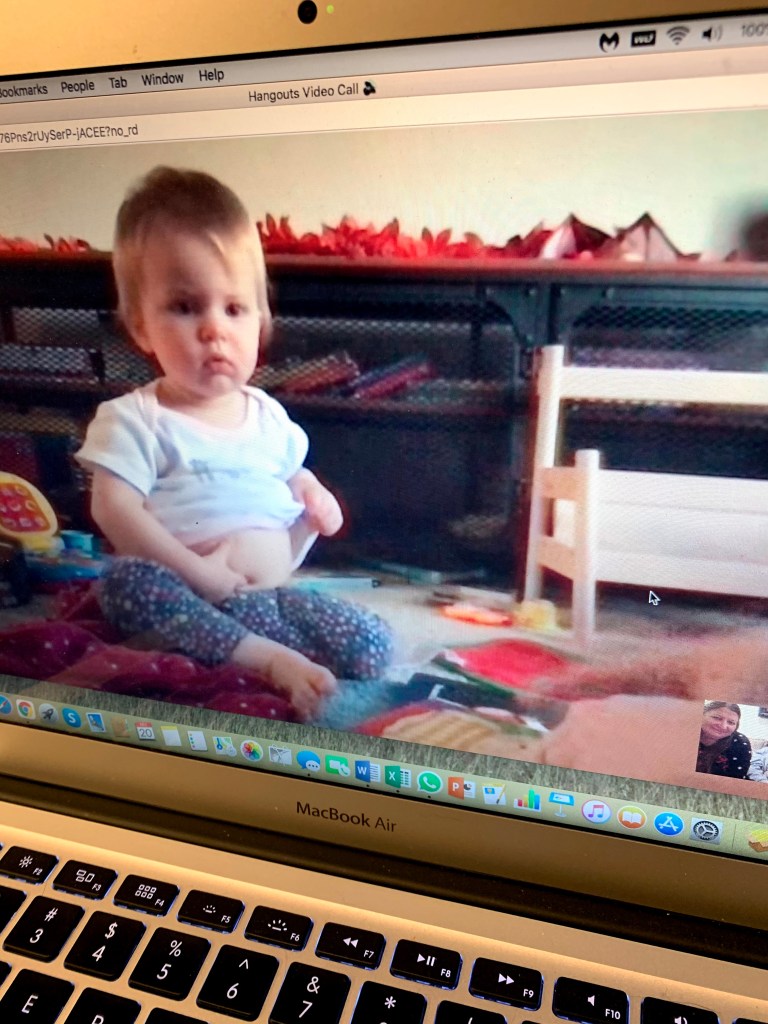
I have many goals for Kalliszta that really are parenting goals for myself. One big one is that she be bilingual. Seeing as she is both Hungarian and Irish-American (I say “both” rather than “half” because we don’t say “I’m half a frisbee player and half a mom” we say “I’m a frisbee player and a mom” two full identities, not half of each), I would love for her to be able to at least speak and understand Hungarian. She currently says, “ba”-ll quite a lot, which is English for “ball” and “labda” in Hungarian. Now, as she is learning words and language, I try to repeat most things I say in English and in Hungarian. I will also say words with the same tone and cadence in each language to help her realize this is two ways to say the same thing. English is my second language but I am less eloquent in Hungarian (I was four after all when we moved the US) so I have to make a real effort when it comes to speaking Hungarian with Kalliszta. With my parents, she almost exclusively hears Hungarian which makes me glad. But we only talk on video calls because of Covid, and also we live on opposite coasts. I hope that our family trip to Hungary will happen this summer (it got postponed from last year for obvious reasons) and that one day we will live closer to each other. When Kalliszta and I are at the playground just us two, I try to speak to her only in Hungarian. When Bill and I are with Kalliszta together, we speak English, even though Bill knows some Hungarian! There are certain things we exclusively say in Hungarian. For example, the Hungarian word for “cheers” and the equivalent to the German post-sneeze offering of “gesundheit” is “egeségedre”. I prefer this phrase, meaning “to your health”, instead of “bless you” because as someone who is not religious, to bless someone would not be a genuine sentiment, and I don’t want to assume the sneezer’s religion.
I titled this section 2.05+ Languages because Kalliszta knows a few words in sign language (the “.05” part), which is super helpful for her parents. She is able to express her desire for milk, for eating, for wanting more, and for being all done. It is great that she can talk to us in this way, but when she is at a loss for words, she will sign “milk” as the default. She is so curious and brave and loves to learn. We are working on the sign for “water”, but holding three fingers up is still a little tricky for her. She’s also great at pointing to what she wants (like a banana or her pop-up ball toy).
I would also love it if she learned Spanish (the “+” part) as it is the second most spoken language in the world. Science tells us that the younger a person is, the easier they pick up languages, so I am hoping that we will find a school or program for her once she starts daycare or preschool. And then I hope that she can teach me. And then Bill can teach me a programming language, and I’ll be so fluent in so many things!
Other Words We Won’t Say
I will never say, “I don’t believe you” to my daughter. Our society has a traumatic history of not believing womxn and their stories. While there is still some time before she begins speaking in full sentences and then testing the limits of telling the truth, we will make it clear how much we value honesty and that we believe her, so that she can trust us to tell us anything.
What We Say
The words we choose to use are important. The events of this past week – for more reasons than one – really shook me. It is critical that we use the correct words to describe the events and the people involved: domestic terrorists, insurrection, rioters, mob, sedition. Words are important, and as Kalliszta is on the verge of speaking and understands most everything we say, my hope is that we are raising a thoughtful and expressive human, who confidently speaks her mind. And, in direct contrast to the insurrectionists, I want Kalliszta to always choose words over weapons and to be on the correct side of history.

 Krisztina Finn
Krisztike! Jólesett végigolvasni a gondolataidat. Évi
LikeLike